


Predictive UX: How AI Can Personalize WordPress User Journeys in Real Time
Date: 15/03/2026
Summary
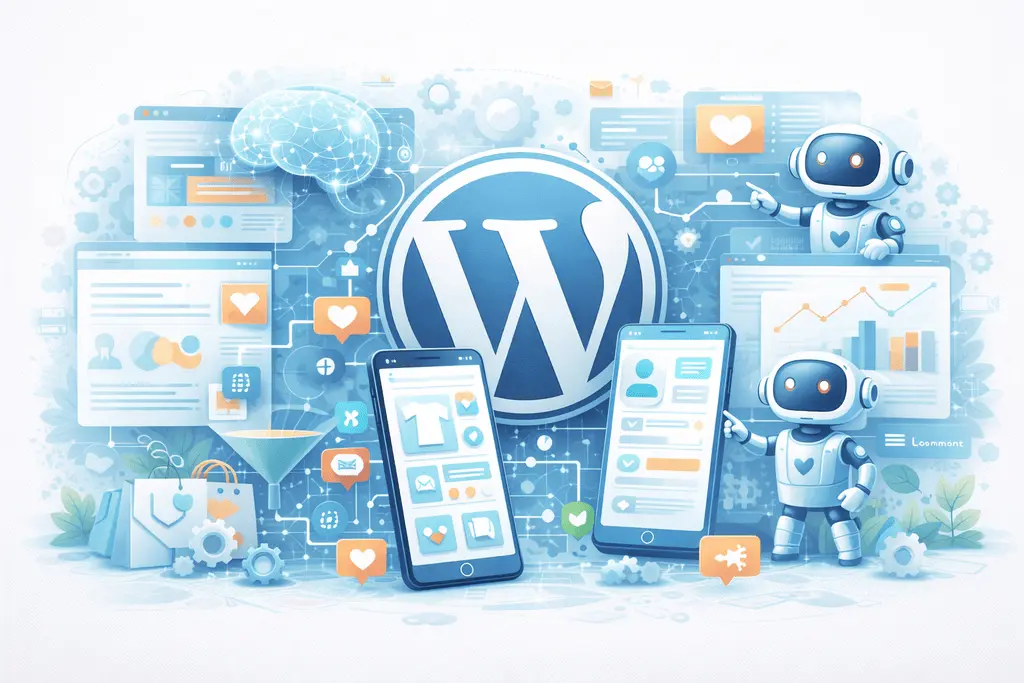
User expectations for websites have changed dramatically in recent years. Visitors no longer want static pages and generic experiences. Instead, they expect websites to adapt to their needs, interests, and behavior instantly.
This is where Predictive UX comes in.
Predictive UX uses artificial intelligence and behavioral data to anticipate what users need and dynamically adjust the website experience in real time. For businesses running WordPress, this approach can significantly improve engagement, conversion rates, and customer satisfaction.
In this article, we’ll explore how AI-powered Predictive UX works, why it matters in 2026, and how you can implement it in your WordPress website.
What Is Predictive UX?
Predictive UX is a design and technology approach that uses machine learning and behavioral analytics to anticipate user intent and personalize website interactions.
Instead of showing the same content to every visitor, Predictive UX systems analyze signals such as:
-
browsing behavior
-
location and device type
-
referral source
-
previous visits
-
engagement patterns
Based on this data, the website dynamically adjusts the experience.
Examples include:
-
recommending relevant content
-
showing personalized offers
-
adapting navigation menus
-
displaying targeted calls to action
Predictive UX turns a website into an adaptive system that evolves based on user behavior.
Why Predictive UX Matters for Modern WordPress Websites
Businesses increasingly compete on user experience rather than just design.
Predictive UX can help websites achieve several key advantages.
Higher Conversion Rates
When visitors see content tailored to their interests, they are more likely to take action.
Examples:
-
personalized product recommendations
-
targeted lead magnets
-
dynamic landing pages
These personalized experiences often lead to higher engagement and more conversions.
Better Customer Journeys
Predictive UX helps remove friction in the user journey.
For example, returning visitors can automatically see:
-
previously viewed products
-
recommended articles
-
relevant services
This creates a smoother and more intuitive experience.
Stronger Competitive Advantage
As AI-powered search tools like Perplexity AI and emerging systems such as SearchGPT reshape how users discover information, websites must become more intelligent.
Predictive UX helps businesses remain competitive in this evolving landscape.
How Predictive UX Works
Predictive UX systems rely on several layers of technology working together.
Behavioral Data Collection
The first step is gathering data about how users interact with your website.
Examples include:
-
pages visited
-
time spent on content
-
clicks and scroll depth
-
search queries
-
user navigation paths
Analytics platforms help collect and analyze this data.
AI and Machine Learning Models
Once data is collected, machine learning algorithms analyze patterns and predict future behavior.
These models can answer questions like:
-
What product is the user likely to buy?
-
What content should be recommended next?
-
Is the visitor a potential customer or just browsing?
Real-Time Personalization
After predictions are made, the website dynamically adapts the experience.
This can include:
-
showing different content blocks
-
personalizing homepage layouts
-
recommending articles or products
-
triggering targeted messages
All of this happens automatically and in real time.
Practical Predictive UX Use Cases for WordPress
Predictive UX can be applied in many real-world scenarios.
Smart Content Recommendations
Blogs and content-heavy websites can automatically recommend relevant articles based on user interests.
This keeps visitors engaged longer and increases page views.
Personalized Landing Pages
Marketing campaigns can deliver personalized landing pages depending on the traffic source.
For example:
-
search visitors see educational content
-
ad traffic sees product-focused messaging
This improves conversion rates significantly.
AI-Driven Product Suggestions
E-commerce websites can analyze browsing patterns to recommend products visitors are most likely to buy.
This approach is widely used by leading online retailers.
Adaptive Navigation
Predictive systems can adjust menus and navigation based on user behavior.
For example, frequently visited sections can appear more prominently.
Implementing Predictive UX in WordPress
WordPress is highly flexible and can support predictive user experiences through integrations and custom development.
Key components often include:
-
analytics platforms
-
AI recommendation engines
-
personalization tools
-
automation workflows
Developers can integrate these systems using APIs and custom WordPress functionality.
Performance Considerations
AI-powered personalization should never compromise website speed.
Maintaining fast load times remains essential for SEO and user experience.
Tools like Google PageSpeed Insights can help monitor performance and identify optimization opportunities.
A well-designed Predictive UX system should operate efficiently while keeping the website responsive.
Common Mistakes When Implementing Predictive UX
While Predictive UX offers powerful capabilities, many websites implement it incorrectly.
Here are some common pitfalls.
Over-Personalization
Excessive personalization can make users feel uncomfortable.
It’s important to balance personalization with privacy and transparency.
Poor Data Quality
AI systems rely on accurate data.
If behavioral data is incomplete or inaccurate, predictions will also be unreliable.
Ignoring Privacy Regulations
Websites must respect privacy laws and properly manage user data.
Clear privacy policies and consent management are essential.
The Future of Predictive UX
Predictive UX will continue evolving as AI technology advances.
Future websites may include:
-
fully adaptive interfaces
-
AI-generated page layouts
-
predictive support systems
-
personalized digital experiences for every visitor
In this future, websites will behave less like static platforms and more like intelligent digital assistants.
Final Thoughts
Predictive UX represents the next stage of website evolution.
By combining behavioral data, machine learning, and dynamic personalization, businesses can create smart WordPress websites that adapt to user needs in real time.
For companies focused on growth, this approach can dramatically improve engagement, conversions, and customer satisfaction.
As AI continues transforming digital experiences, Predictive UX will become a key competitive advantage.
If you’re interested in building a smart, AI-powered WordPress website, our team can help you implement Predictive UX and advanced personalization systems.
🚀 Contact us today to discuss how AI-driven personalization can transform your WordPress website.
Trending articles

Ukraine vs Poland vs Balkans: Where to Hire the Best WordPress Developers in 2026
Why Eastern Europe Is the Smartest Place to Hire a WordPress Agency in 2026

Funnel Flattening: How Modern WooCommerce Stores Remove Checkout Friction

AI-Powered WooCommerce: How Smart Personalization Increases Conversions
╳
We`d love
to hear
from you
to hear
from you
Get a Best Project Consultation
Congratulations!
Message sent successfully!